
But with these new tools come many questions. One big question is whether we are really talking to a real person or a machine.
This article looks at the hidden side of AI chatbots and explains both their good and dark points in simple words.
What Are AI Chatbots?
AI chatbots are computer programs that use smart algorithms to hold conversations with users. They work by analyzing the words you type and then giving an answer that seems like it was written by a person.
Many chatbots use deep learning and natural language processing to get better over time. With clear instructions and a lot of practice, they can make replies that feel natural.
The Rise of AI Chatbots
In the last few years, many companies have started using chatbots. They now play a big role in customer service, sales, and even personal help. This rise is due to a few reasons:
- 24/7 Service: Chatbots work at any time of day. They help customers even when real staff are not available.
- Fast Responses: They give quick answers, which makes users feel heard.
- Cost Efficiency: Chatbots can help many people at the same time without extra cost.
Businesses like banks, retail stores, and online services use these tools to save time and money. However, as chatbots grow in number and use, people have begun to notice problems with how they work.
The Benefits of AI Chatbots
AI chatbots have many clear benefits:
- Quick Answers: They respond fast and do not need breaks.
- Always On: They work at all hours, which means you can get help whenever you need it.
- Easy to Use: They make it simple for people to get information with just a few clicks.
- Cost Savings: They reduce the need for large teams in customer service.
- Consistent Information: Chatbots give the same answer to similar questions, which keeps information consistent.
These benefits have made chatbots very popular among businesses. They help reduce wait times and make shopping or service requests smoother.
The Dark Side of AI Chatbots
Despite their good points, there is a hidden side to AI chatbots. Some issues can make users feel uneasy. Here are some of the main concerns:
1. Lack of Human Touch
A real person can understand feelings and show care. Chatbots, on the other hand, follow a set of rules and learned patterns. This means:
- Missing Emotions: They cannot feel or truly empathize.
- Limited Understanding: They may not catch the subtle hints in a conversation.
- Robotic Replies: Even the best chatbots can sometimes give answers that sound stiff or vague.
2. Transparency Issues
Not everyone knows they are talking to a machine. Some chatbots are designed so well that they can trick users into thinking they are speaking with a human. This can lead to problems such as:
- Deception: Users may trust the answers too easily.
- Hidden Agendas: Sometimes chatbots are used to push certain products or services without clear disclosure.
3. Privacy and Data Security
When you talk to a chatbot, you share personal details. These details can be misused if they are not kept safe. Key concerns include:
- Data Collection: Chatbots can store large amounts of personal data.
- Data Misuse: There is a risk that this data can be sold or used in ways the user did not agree to.
- Security Breaches: Hackers might find a way to access this information, putting users at risk.
4. Spread of Misinformation
AI chatbots can sometimes provide wrong or outdated information. This happens when:
- Faulty Data: They use old or incorrect data to answer questions.
- Lack of Context: They may not ask the right follow-up questions to understand your real need.
- Errors in Programming: Mistakes in their code can lead to unexpected or wrong responses.
Are We Talking to Real People or Machines?
The main question remains: when you type a message online, are you chatting with a person or a machine? Here are some points to help you decide:
- Speed of Response: Chatbots answer quickly. Real people may take longer to reply.
- Consistency: Chatbots tend to use the same words in similar ways. Humans often vary their language.
- Empathy: A human may show real concern or emotion. Chatbots can mimic this but often miss subtle cues.
- Detail in Replies: Human responses may include personal stories or opinions. Chatbots usually stick to facts.
- Disclosure: Some websites tell you clearly if you are speaking with a bot. Look for small notes or messages that say “I am a chatbot.”
Being aware of these differences can help you decide whether you are talking to a machine or a real person.
Many companies now add a small note or a welcome message that explains you are interacting with an AI tool.
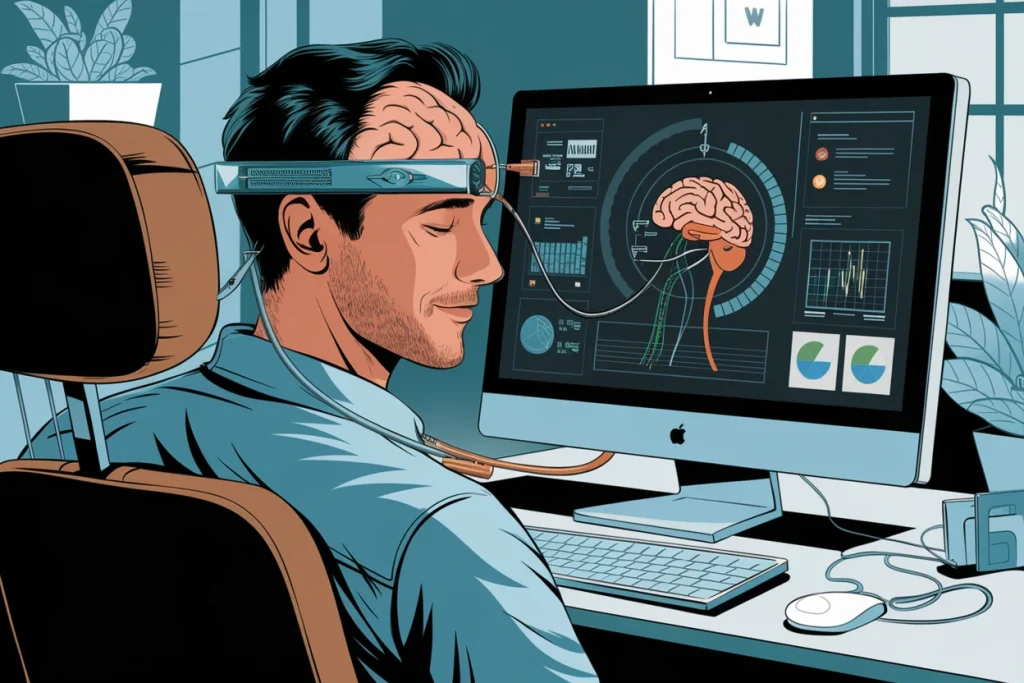
Privacy and Security Concerns
The safety of your personal data is very important when using online services. With AI chatbots, privacy and security can be a big worry:
- Data Storage: Chatbots can keep records of your chat history. This may include your name, phone number, or other personal details.
- Sharing Data: Sometimes, data from chatbots is shared with other parts of the company or even with third parties.
- Risk of Hacking: If a company does not protect its data well, hackers may gain access. This puts user privacy at risk.
- Regulations: Many countries have laws to protect personal data. However, these laws are still catching up with technology.
When using chatbots, it is wise to be cautious about the personal information you share.
Trust and Ethical Issues
Trust is a key part of any conversation. With AI chatbots, building trust can be a challenge:
- Unknown Origins: Many users do not know who programmed the chatbot or how it was trained.
- Bias in Responses: The data used to train chatbots can sometimes include biased or unfair views.
- Ethical Use: Companies must decide how to use chatbots in a fair way. This means being honest about what a chatbot can do.
- Accountability: When things go wrong, it can be hard to tell who is responsible—the company, the programmer, or the machine itself.
These issues can make it hard for users to trust that their information is safe or that the answers they get are fair.
How to Tell if You Are Talking to a Machine
There are a few clues that can help you know if you are talking to a machine:
- Speed and Consistency: Machines often reply very quickly and use the same patterns.
- Limited Emotions: Chatbots may use friendly words but lack true warmth.
- Simple Answers: Their answers can be short and to the point.
- Disclosure Statements: Look for messages that say “I am a bot” or “Automated Response.”
If you notice these signs, you might be speaking with a chatbot rather than a real person.
How to Protect Yourself Online
To stay safe when chatting online, consider these simple tips:
- Keep Personal Details Private: Do not share your full name, address, or other private information.
- Use Trusted Websites: Only use chatbots on sites that are well known and trusted.
- Read the Privacy Policy: Make sure you understand how your data will be used.
- Ask for a Human: If you feel unsure, ask if you can speak to a real person.
- Stay Informed: Learn more about the tools you use online. This helps you see if any changes might affect your safety.
These steps can help you enjoy the benefits of chatbots while keeping your personal data safe.
The Future of AI Chatbots and Their Dark Side
The field of AI is growing fast. Many experts believe that chatbots will become more advanced and more helpful in the future. However, the dark side of chatbots also grows if these issues are not solved. Some points to keep in mind:
- Improved Technology: As chatbots learn, they may become better at understanding human feelings. Still, they may never completely match a real person’s empathy.
- Ethical Standards: It is important for companies to follow ethical rules. This means being clear about how chatbots work and keeping user data safe.
- Stronger Laws: New rules may come into play to protect personal data and ensure fairness. These laws will help keep the dark side in check.
- User Awareness: As more people learn about chatbots, they will know what to expect. This can lead to better decisions when using online services.
The future holds many changes. With careful attention, the dark side of AI chatbots can be reduced while still enjoying their many benefits.
Ways to Improve Chatbot Trust
Building trust with users is key for companies that use chatbots. Here are some ideas that can help:
- Clear Disclosure: Always tell users when they are chatting with a machine. This honesty builds trust.
- User Feedback: Let users share their thoughts on the chatbot’s replies. This can help improve the tool.
- Regular Updates: Keep the chatbot’s data fresh. This prevents errors and misinformation.
- Human Backup: Allow a human to take over the conversation if the chatbot cannot answer well.
- Secure Data Practices: Use strong security measures to protect personal data and respect privacy laws.
By following these steps, companies can make sure their users feel safe and understood.
Looking Ahead for Chatbot Ethics
The use of AI in chatbots is here to stay. As technology improves, the line between human and machine conversations may blur even more. It is essential for developers, companies, and regulators to work together on these key areas:
- Ethical Training: Use fair and unbiased data to train chatbots. This reduces the risk of unfair answers.
- User Education: Teach users how to spot a chatbot. The more informed the public is, the better they can protect themselves.
- Open Standards: Share the rules and practices that guide chatbot behavior. Transparency in design builds long-term trust.
These steps offer a path forward. Companies and regulators can help guide the use of AI in a way that respects both innovation and the rights of users.
