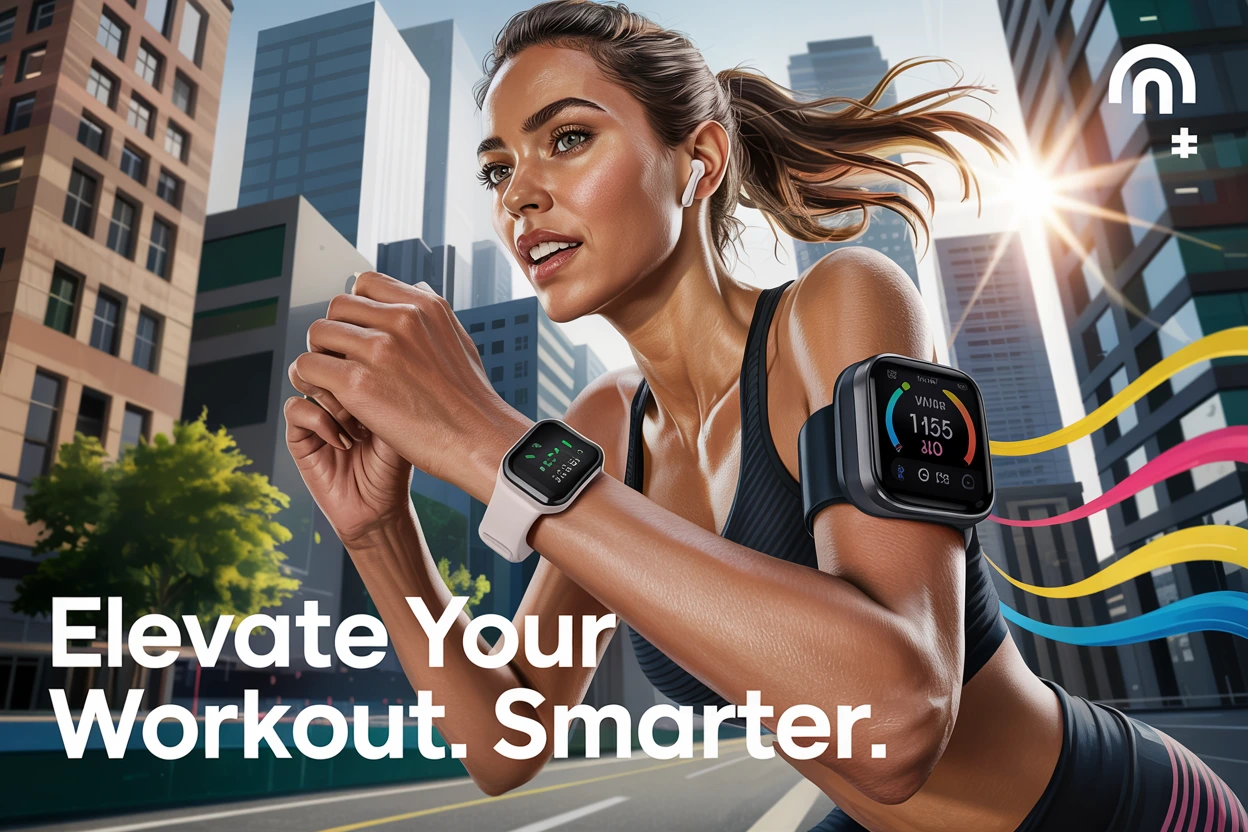
AI-powered fitness gadgets are a big part of this change. These devices don’t just collect data — they learn from your body, daily habits, and exercise patterns.
They give you suggestions, help prevent injury, and make workouts more effective.
This article explains everything about AI-powered fitness gadgets, their types, benefits, and how they are becoming a trusted part of many people’s health journeys.
What Does AI-Powered Mean in Fitness Gadgets?
AI stands for artificial intelligence. In fitness gadgets, it means the device is smart enough to learn, adjust, and respond based on your data.
A basic gadget might track your steps or heart rate. But an AI-powered device will go beyond that. It studies your movements, understands your routine, and gives suggestions to improve performance.
For example, if you run every morning, the gadget might notice a drop in speed and advise you to rest or eat better before running.
These devices use algorithms and machine learning. They keep learning the more you use them. As a result, they become more personalized and helpful over time.
Popular Types of AI-Powered Fitness Gadgets
There are many types of AI fitness gadgets, each designed for different needs. Wristbands and smartwatches are the most well-known, but the market now includes scales, workout equipment, apps, and even clothing.
Smartwatches and fitness bands are widely used because they are easy to wear and offer multiple features. They track heart rate, oxygen levels, calories, and even sleep. The AI studies this data and gives daily reports and advice. If your sleep quality drops, it might suggest changes in bedtime or daily activity.
Smart scales now go beyond showing body weight. These AI-enabled devices track fat levels, muscle mass, and hydration. Over time, they help you understand if your workouts are working. They suggest changes in diet or exercise based on your progress.
Smart clothing with built-in sensors is also becoming popular. These items track posture and muscle movement during workouts. The AI provides real-time feedback. If your form is wrong, the system may guide you to adjust, which helps prevent injury and improves training.
Home workout equipment like smart bikes or resistance trainers use AI to study your workout style. They change the difficulty level based on your strength and performance. You don’t need to set it manually — the gadget adjusts automatically, like having a personal trainer beside you.
Fitness apps powered by AI offer training plans, voice support, and data tracking. These apps can connect with smartwatches and other gadgets to give a full fitness overview. They use your behavior and data to improve their coaching with each session.
How AI Helps Improve Daily Workouts
AI brings real value to everyday fitness by improving the way people exercise and recover. The technology watches how you move and responds with better advice.
For example, if you’re doing cardio regularly but not getting results, the AI might notice your heart rate is not reaching a target zone. It will suggest speeding up or changing your routine.
Another example is strength training. If you do the same exercises often, AI might warn about muscle overuse and recommend rest days.
It tracks your recovery through heart rate and sleep data. If your body seems tired, it will suggest easier workouts or more sleep instead of pushing harder.
This kind of real-time feedback is important for people who exercise alone or don’t have access to a coach. The AI acts like a silent trainer, watching quietly and advising when needed.
Personalized Coaching Through AI
Many people struggle with generic workout plans. One-size-fits-all routines often don’t work for every body type or goal. This is where AI helps by giving highly personalized coaching.
As you use an AI-powered gadget daily, it collects and studies your data. The device or app builds a training plan just for you — whether your goal is weight loss, muscle gain, or improving stamina.
As your fitness level changes, the AI adjusts your workout. If you improve fast, it increases the challenge. If you’re struggling, it brings it down.
This approach keeps motivation high and helps people stick to their goals. The advice feels personal and suitable, not copied from the internet or general fitness books.
AI and Injury Prevention
One of the biggest risks in fitness is injury. Many people get hurt by using the wrong form, doing too much too soon, or not resting enough. AI helps in spotting these issues before they become serious.
If your movement during squats or deadlifts is not right, smart gadgets can send alerts or suggestions. They compare your movement to the ideal form and guide you to correct it.
Also, if your resting heart rate is higher than usual, it may signal that your body is tired. The gadget might then recommend skipping a workout or doing something lighter like stretching.
This kind of smart advice helps prevent common problems like muscle strain, joint pain, or poor recovery. It also builds better habits over time, which leads to safer and more consistent progress.
Also Read
Trusted Companies Making AI Fitness Gadgets
Many well-known brands are making safe and reliable AI-powered fitness gadgets. These companies test their products well and follow strong health and data safety standards.
Trusted names in this space include Apple, Fitbit, Garmin, WHOOP, Peloton, and Tonal. Each one focuses on a different area of fitness, from cardio to strength to recovery.
When buying a gadget, people should look for trusted brands that offer proper health tracking, data privacy, and regular updates. Customer reviews and expert ratings are also helpful to know how well a gadget performs in real life.
Data Privacy and Security in AI Fitness Devices
AI-powered fitness gadgets collect sensitive information like heart rate, sleep patterns, and daily habits. That’s why data security is a serious part of the experience.
Most trusted devices encrypt your data, meaning it’s protected while stored or shared.
Many gadgets allow users to control how their data is used. Some offer private modes or clear data-sharing settings.
Before using a gadget, it’s important to check the privacy options in the settings and read how the company handles user information. Using secure Wi-Fi and strong app passwords also helps protect your health data from misuse.
Who Benefits the Most from AI Fitness Gadgets?
These gadgets are made for a wide range of users. Beginners can benefit from the guidance and support. AI helps them start safely and build habits.
Regular exercisers get detailed performance tracking and advice. For professional athletes, the data is even more useful. It helps them train smarter and recover faster.
Even older adults can benefit. Many AI devices track heart health, fall detection, and sleep.
With easy instructions and automatic tracking, seniors can keep an eye on their health without needing to remember every detail.
In short, anyone who wants to improve their health or fitness with help from technology can use AI-powered gadgets.
